3.10 Administration and Management
Full visualisations for this profile are available in the dedicated section:
Administration and Management graphs
Unlike the other professional profiles, Administration and Management respondents (57 in total) answered a much smaller set of questions focused on institutional strategy, governance, policies, and organisational readiness. The section does not include technical blocks on tools, data types, standards, or workflow practices. As a result, the analysis is intentionally more concise and strategic in nature, reflecting the managerial scope of this profile and the broader, policy–oriented perspective of the respondents.
Institutional leaders report a broad but uneven adoption of digital services, with heritage databases and documentation platforms emerging as the most widely implemented solutions. However, the presence of a structured digital strategy remains inconsistent (Figure 40): only a minority operate with formal policies, while most institutions rely on informal guidelines or are still in an early planning phase.
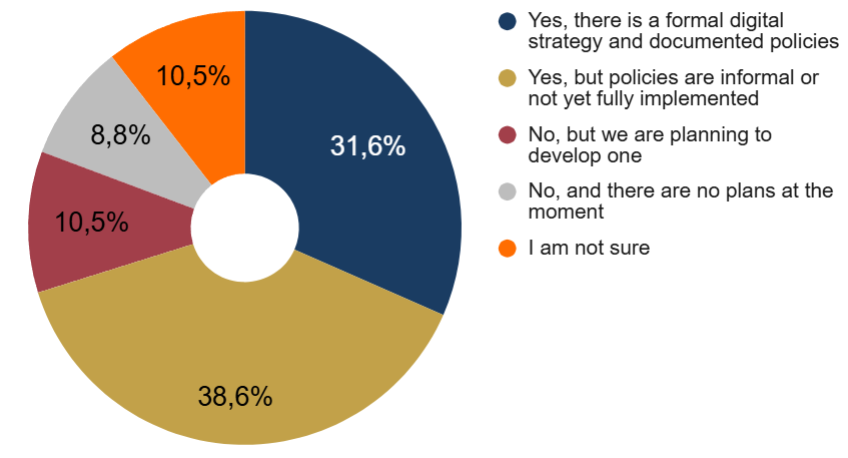
Figure 40. Adoption of digital strategy or policy.
The main obstacles to scaling digital services are primarily structural (Figure 41). Funding shortages are the most frequent barrier, followed by limited internal expertise and fragmented or outdated IT infrastructures. Governance challenges – such as unclear responsibilities or resistance to change – also play a significant role in slowing progress.
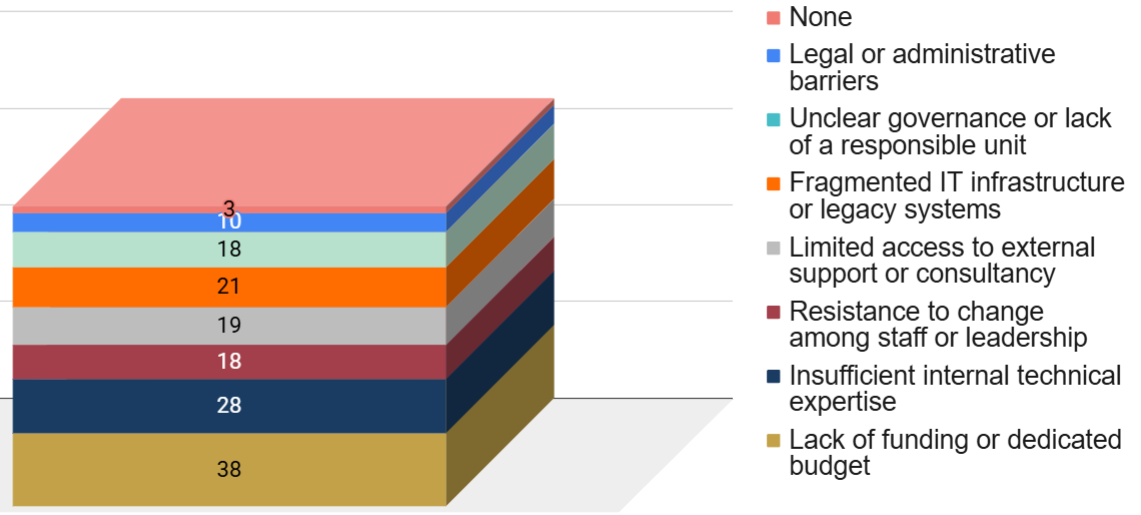
Figure 41. Main obstacles in adopting digital services.
Interoperability remains a mixed landscape. While some institutions apply internal or sector standards, many still face fragmented systems or lack a structured approach to integration. Despite this, attitudes toward data sharing are generally positive, though often constrained by case–by–case decision processes rather than systematic openness.
Interest in advanced technologies is high (Figure 42). Many institutions express a clear need for guidance on emerging tools, including Digital Twins, and see potential value in their use for strategic planning, risk assessment, and decision–making – though typically within targeted or priority–driven scenarios rather than for universal adoption.
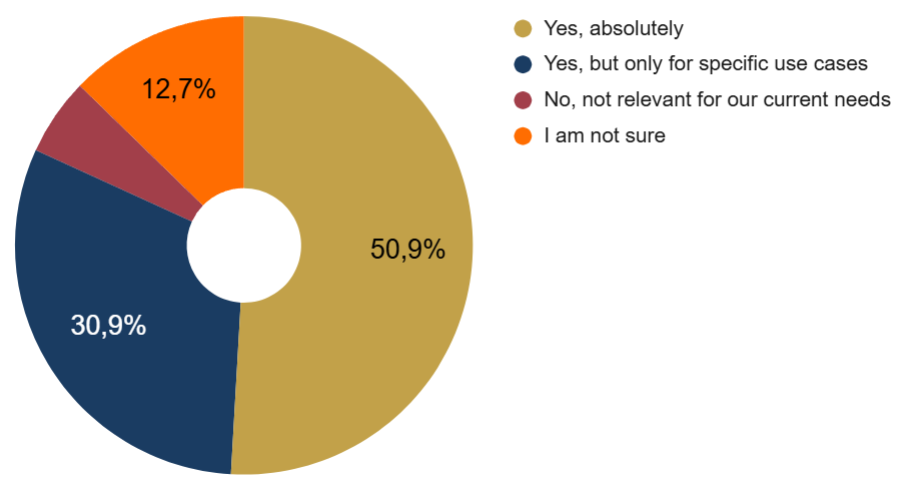
Figure 42. Potential value of Digital Twins for planning and decision-making.